
The hum of a hospital, the quiet strength of a nurse’s hand, the precise skill of a surgeon, the comforting words of a therapist – these aren’t just scenes from a movie. For countless individuals, they represent a calling, a future dedicated to healing, caring, and making a profound difference in the world. Perhaps you’re one of them. You feel that pull, that deep-seated desire to join the ranks of healthcare professionals, to contribute to well-being, to alleviate suffering. It’s a noble aspiration, a path filled with purpose and impact.
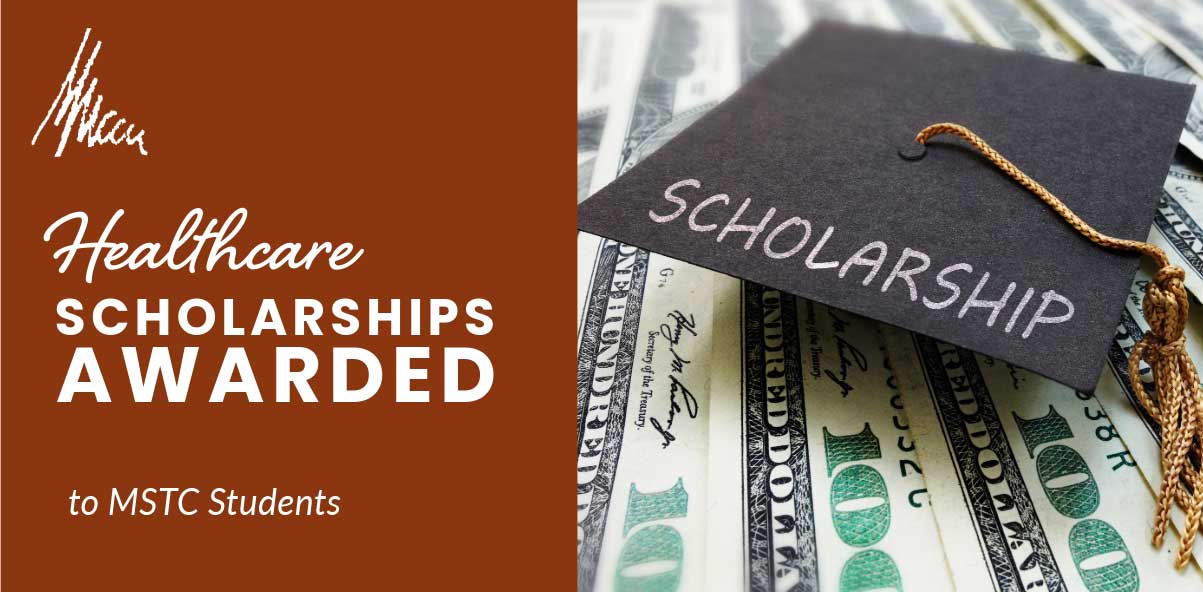
But then, a shadow often creeps in, a persistent whisper of doubt: the cost. Pursuing a healthcare education, whether it’s nursing, medical school, physical therapy, or any of the myriad allied health professions, is an investment – a substantial one. Tuition fees, textbooks, living expenses, clinical supplies – the numbers can quickly become daunting, threatening to extinguish even the brightest sparks of ambition. Many aspiring healers find themselves at this crossroads, torn between their passion and the seemingly insurmountable financial barrier. This is where the magic of healthcare related scholarship programs steps in, transforming what feels like an impossible dream into a tangible reality.
Imagine standing on the cusp of your career, knowing that much of your educational burden has been eased, not by loans that will weigh you down for decades, but by generous support from individuals and organizations who believe in your potential. That’s the power of scholarships. They are not just financial aid; they are votes of confidence, endorsements of your future contributions, and a testament to the belief that talent and dedication should never be stifled by economic hardship.
The Landscape of Opportunity: Finding Your Niche
The world of healthcare scholarships is vast and varied, much like the healthcare industry itself. It’s not a one-size-fits-all solution, which means there’s likely a scholarship out there tailored specifically to your journey, your background, or your chosen specialization. Understanding this landscape is your first step toward success.
Let’s talk about some of the most sought-after areas where funding shines brightly:
Nursing Scholarships: Powering the Front Lines
The demand for skilled nurses is constant, critical, and growing. From registered nurses (RNs) to advanced practice registered nurses (APRNs), their role is indispensable. This high demand translates into a wealth of scholarships for nursing students. Whether you’re just starting your Associate’s Degree in Nursing (ADN), pursuing a Bachelor of Science in Nursing (BSN), or aiming for a Master’s or Doctoral degree, opportunities abound.
Many professional organizations, like the American Nurses Association (ANA) and various state nursing associations, offer substantial scholarships. Hospitals and healthcare systems frequently fund nursing education, often in exchange for a commitment to work for them after graduation – a win-win situation providing both financial relief and a guaranteed job. Private foundations, community organizations, and even specific disease-focused groups (like those for cancer or heart disease research) recognize the vital role of nurses and invest in their training. Don’t overlook scholarships for specific nursing specialties, like critical care, pediatrics, or geriatrics; these can be quite generous.
Medical School Scholarships: A Path to Becoming a Doctor
The journey to becoming a physician is arguably one of the longest and most expensive educational paths. The financial burden of medical school often pushes aspiring doctors into mountains of debt. This makes medical school scholarships full ride or even partial awards incredibly competitive and life-changing. While true "full ride" scholarships are rare, they do exist, often offered by prestigious universities or philanthropic organizations looking to cultivate future leaders in medicine.
Most medical school financial aid comes in the form of smaller, yet still significant, awards that chip away at the total cost. Look for scholarships specifically for students committed to primary care, rural medicine, or underserved communities. Government programs, such as those through the National Health Service Corps (NHSC), offer substantial awards in exchange for service in high-need areas. Private foundations often support specific research interests or demographic groups, such as minority healthcare scholarships aimed at increasing diversity in medicine. Don’t forget that many medical schools themselves have endowment funds dedicated to supporting their students, so always check with your institution’s financial aid office. The application process for these can be rigorous, often requiring extensive essays, interviews, and a demonstrated commitment to service.
Allied Health Scholarships: The Backbone of Care
Beyond doctors and nurses, a vast array of highly skilled professionals forms the backbone of the healthcare system. These are the allied health professionals – physical therapists, occupational therapists, physician assistants, radiologic technologists, medical laboratory scientists, dental hygienists, speech-language pathologists, and many more. Each of these fields requires specialized training, and fortunately, scholarships are available to support students in these crucial areas.
For example, aspiring physical therapists can seek physical therapy scholarships from organizations like the American Physical Therapy Association (APTA) and various state chapters. Physician assistant (PA) programs are also highly competitive and costly, making PA school scholarships a valuable resource. Dental students can find dental school scholarships from the American Dental Association (ADA) or specific dental specialty groups. Even fields like healthcare administration, vital for managing the complex systems of modern medicine, offer healthcare administration scholarships. The key here is to identify the professional associations related to your chosen allied health field and scour their websites; they are often the primary source of funding.
Who Offers These Golden Tickets?
Understanding where to look is just as important as knowing what to look for. Scholarship providers come from various sectors, each with its own criteria and mission.
- Government Programs: Federal and state governments are major players in healthcare career funding. Programs like the National Health Service Corps (NHSC) mentioned earlier are excellent examples, offering tuition assistance and stipends in exchange for service. Some states also have programs aimed at addressing local healthcare shortages.
- Professional Organizations: This is often your best bet for field-specific funding. From the American Medical Association (AMA) to the American Academy of Physician Assistants (AAPA), the American Physical Therapy Association (APTA), and countless others, these groups are dedicated to fostering the next generation of professionals in their respective fields.
- Hospitals and Healthcare Systems: Many large hospital networks or regional healthcare systems offer scholarships or tuition reimbursement programs, especially for in-demand roles like nursing. They often aim to cultivate their future workforce, so these can come with a commitment to work for them post-graduation.
- Private Foundations and Non-profits: Thousands of private foundations exist, often established by wealthy individuals or families with a passion for specific causes, including healthcare. Many focus on specific diseases (e.g., cancer research, diabetes care), demographics (e.g., women in science, minority healthcare scholarships), or geographic regions.
- Colleges and Universities: Don’t underestimate the power of your own institution. Most universities, especially those with robust healthcare programs, have a dedicated financial aid office that manages internal scholarships funded by alumni donations, endowments, and grants. These are often the easiest to apply for since they are specific to your enrolled program.
Crafting Your Winning Application: More Than Just Grades
Securing a scholarship isn’t just about having perfect grades – though academic excellence certainly helps. It’s about telling your story, showcasing your passion, and demonstrating your potential impact. Think of it as painting a vivid picture of who you are and why you deserve this opportunity.
- The Personal Essay: Your Voice, Your Journey. This is perhaps the most critical component. Scholarship committees aren’t just looking for smart students; they’re looking for dedicated, compassionate, and resilient individuals. Share your "why." What drew you to healthcare? Was there a personal experience? A role model? What challenges have you overcome? How do you envision making a difference? Be authentic, be specific, and let your personality shine through. This is where you connect with the reader on a human level, making your application memorable. Avoid clichés and generic statements. Instead of saying, "I want to help people," describe how you want to help, who you want to help, and why that specific type of help resonates with you.
- Letters of Recommendation: Your Advocates. Choose recommenders who know you well and can speak to your character, work ethic, academic abilities, and commitment to healthcare. Professors, supervisors from volunteer positions or jobs, or even mentors can provide powerful endorsements. Give them plenty of notice and provide them with your resume, the scholarship requirements, and a brief summary of why you’re applying.
- Academic Transcripts and Test Scores: The Foundation. While not the only factor, a strong academic record demonstrates your ability to handle the rigor of a demanding healthcare program. Maintain the best grades you can, especially in science and math courses.
- Extracurricular Activities and Volunteering: Beyond the Books. Scholarship committees love to see well-rounded individuals. Volunteering in a hospital, clinic, nursing home, or even a community health fair shows your proactive engagement with the healthcare field and your commitment to service. Leadership roles in student organizations or community groups also demonstrate initiative and responsibility. These experiences prove you’re not just interested in the theoretical aspects but are actively involved in the practical side of caring for others.
- The Interview (If Applicable): Show Your True Self. Some scholarships, particularly the more prestigious or competitive ones, may require an interview. This is your chance to articulate your passion, answer questions thoughtfully, and demonstrate your interpersonal skills – a crucial trait for any healthcare professional. Practice articulating your answers clearly and confidently.
Your Search Strategy: Where to Dig for Gold
Finding the right scholarships can feel like searching for a needle in a haystack, but with a systematic approach, you can uncover many valuable opportunities.
- Online Scholarship Databases: Websites dedicated to scholarships are a great starting point. Many allow you to filter by major, academic level, demographics, and even specific interests. Use keywords like "financial assistance for nursing school," "scholarships for aspiring doctors," or "healthcare education funding opportunities" to narrow your search.
- University Financial Aid Offices: As mentioned, your own university is a treasure trove. Their financial aid advisors are experts in both internal and external funding sources. Schedule an appointment early in your academic journey.
- Professional Association Websites: This cannot be stressed enough. If you know your specific healthcare path, visit the national and state websites of professional organizations related to that field. They almost always have a section dedicated to student scholarships and grants.
- Local Community Resources: Don’t overlook local opportunities! Community foundations, Rotary Clubs, Lions Clubs, local hospitals, and even high schools often offer scholarships to local students pursuing higher education, sometimes specifically for healthcare fields. These often have less competition than national awards.
- Employer Programs: If you’re already working, even in a non-healthcare role, check if your employer offers tuition reimbursement or scholarship programs for employees pursuing further education.
Beyond the Money: The Unseen Benefits of a Scholarship
While the primary benefit of a scholarship is undeniably financial, the advantages extend far beyond the dollar signs.
- Reduced Debt Burden: This is huge. Less student loan debt means more freedom after graduation – freedom to pursue your ideal job without the pressure of a massive monthly payment, freedom to specialize, freedom to contribute to underserved communities without financial constraints. This alone makes the effort of applying worthwhile.
- Networking Opportunities: Many scholarships connect recipients with their donors, board members, or previous scholarship winners. These connections can lead to mentorship, internship opportunities, and invaluable professional relationships that can shape your career.
- Mentorship: Some scholarship programs include a mentorship component, pairing you with an experienced professional in your field. This guidance can be incredibly beneficial for navigating your studies and early career.
- Prestige and Resume Boost: Being a scholarship recipient is a mark of distinction. It signals to future employers, residency programs, or graduate schools that you are a high-achieving, dedicated, and recognized individual. It stands out on a resume.
- Focus on Your Studies: With less financial stress, you can dedicate more energy and focus to your demanding coursework and clinical rotations, enhancing your learning experience and academic performance.
A Word of Encouragement: Your Impact Awaits
The journey into healthcare is a marathon, not a sprint. It demands dedication, resilience, and an unwavering commitment to lifelong learning. The financial hurdle can seem intimidating, but it is not insurmountable. Healthcare career funding is available, waiting for passionate individuals like you to discover it.
Don’t be discouraged by rejection; view each application as a learning opportunity. Refine your essays, seek feedback, and keep searching. Persistence is your most powerful tool in this process. Remember, every scholarship, big or small, contributes to easing your burden and accelerating your path to making a real difference in people’s lives. Your dream of providing care, of healing, of comforting, is vital. The world needs your unique contribution. So, take a deep breath, gather your stories, and start applying. Your future patients are waiting for you, and these healthcare education funding opportunities are here to help you reach them. The path is challenging, but with scholarships as your allies, it becomes one filled with hope, opportunity, and the promise of a truly impactful career.
