
I remember the knot in my stomach. It wasn’t just the usual anxiety of applying to graduate school; it was the looming shadow of how on earth I was going to pay for it. Everyone told me graduate school was expensive, an investment, a luxury even. And for a while, I believed them. I thought scholarships were for the truly exceptional, the Nobel Prize winners in waiting, or those with perfect GPAs and a list of accomplishments longer than my arm. I was just… me. A curious student with a passion, but certainly no genius. Yet, here I am, on the other side, having navigated the bewildering maze of graduate school funding. And let me tell you, it’s not as impossible as it seems. It just takes a different kind of effort, a different kind of smarts. I want to share my journey, the stumbles, the discoveries, and the ultimate relief, hoping it lights a path for you too.
When I first started thinking about graduate school, the idea of paying for it felt like a mountain I couldn’t climb. Tuition, living expenses, books, health insurance – it all added up to a figure that made my head spin. I almost gave up before I even started. But then, a mentor, someone I deeply respected, looked me straight in the eye and said, "Graduate school isn’t always about taking on massive debt. It’s often about finding the right opportunities, and many of those opportunities come with funding." That simple statement was a lifeline. It wasn’t just about getting in; it was about getting funded. This was a crucial distinction, one I wish I’d understood much earlier. It wasn’t about being lucky; it was about being strategic.
My initial research was, frankly, a mess. I typed "graduate school scholarship opportunities" into every search engine imaginable, and was instantly overwhelmed. Pages upon pages of lists, some helpful, many not. It felt like sifting through sand for a few grains of gold. But I learned something vital: you have to start with the institution itself. Most universities, especially those with robust graduate programs, are often the primary source of funding. They want you there. They need graduate students for research, for teaching, for the very fabric of their academic community.
I learned about different categories of funding, and understanding these was like getting a map for my maze. The big ones, the ones everyone dreams of, are fellowships. These are typically merit-based awards, often highly competitive, that provide a stipend and usually a full tuition waiver. They’re like golden tickets because they free you up to focus almost entirely on your studies and research without teaching or other duties. Some fellowships are university-wide, open to students across all departments, while others are specific to a particular field or program. Then there are external fellowships, like the National Science Foundation Graduate Research Fellowship Program (NSF GRFP) in the U.S., or the Fulbright Program, which can fund studies abroad. These are serious commitments, requiring detailed research proposals and strong academic records, but the payoff is immense. I saw friends dedicate months to these applications, and while some faced rejection, others emerged with incredible opportunities that completely transformed their graduate experience.
Then came the more common, yet equally valuable, assistantships. These are the workhorses of graduate funding. You become an integral part of the university, usually as a Teaching Assistant (TA), a Research Assistant (RA), or a Graduate Assistant (GA). As a TA, you might grade papers, lead discussion sections, or even teach introductory courses. As an RA, you work directly with a professor on their research project, gaining invaluable experience and contributing to new knowledge. GAs often help with administrative tasks, lab management, or program coordination. In exchange for your work, typically 10-20 hours a week, you receive a stipend (a living wage) and, crucially, a tuition waiver. This means you’re getting paid to go to school, and your tuition bill often disappears entirely. This was the most common path for my peers, and it’s a fantastic way to gain professional experience while earning your degree. My own experience as a TA taught me so much more than I expected, not just about my subject, but about communicating complex ideas and managing a classroom.
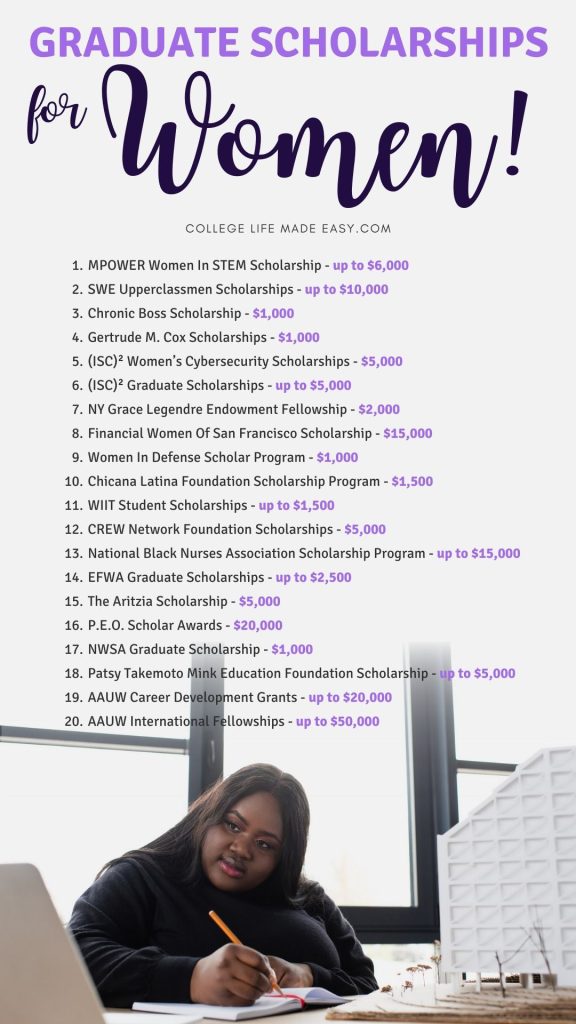
Beyond these, there are grants and specific scholarships. Grants are often project-specific, smaller sums of money that can cover research costs, travel to conferences, or specific materials. You apply for them with a detailed proposal for a particular project. Scholarships, on the other hand, can be incredibly diverse. Some are merit-based, just like fellowships but perhaps for smaller amounts. Others are need-based, looking at your financial situation. Many are tied to specific criteria: your ethnicity, gender, field of study, hometown, or even a unique hobby. This is where the true detective work comes in. You need to think broadly about who you are and what makes you unique, because there might be an organization out there specifically looking to support someone just like you.
My application journey was a series of small battles. The first hurdle was the sheer volume of information. I started by making a spreadsheet – yes, a spreadsheet! – to track deadlines, requirements, and contact people for each program and scholarship I was interested in. This simple act brought order to the chaos. I can’t stress enough how important organization is when you’re applying for multiple opportunities. Deadlines are often staggered, and missing one can mean missing a life-changing chance.
One of the biggest lessons I learned was the importance of tailoring every single application. It’s tempting to use a generic personal statement and just change the name of the university, but trust me, it doesn’t work. Scholarship committees and admissions teams can spot a boilerplate application a mile away. Each scholarship has a specific mission, a specific set of values, and they want to see how you align with their goals. For one scholarship focused on community leadership, I highlighted my volunteer work and my ability to motivate teams. For another, which valued academic rigor, I focused on my research interests and my quantitative skills. It took more time, yes, but it dramatically increased my chances.
The personal statement, or statement of purpose, became my nemesis and eventually my triumph. It’s where you tell your story. Not just what you’ve done, but why you’ve done it, and where you’re going. I struggled with sounding authentic without sounding arrogant, with being professional yet personal. I drafted, redrafted, and then drafted again. I asked friends, professors, and even the writing center at my undergraduate university for feedback. Their insights were invaluable. They pointed out when I was rambling, when I wasn’t clear, and when my passion truly shone through. The best advice I received was to "show, don’t just tell." Instead of saying "I am a determined student," I described a specific challenge I faced in a research project and how I persevered to overcome it. Those concrete examples made all the difference.
Recommendation letters were another critical piece of the puzzle. Choosing the right people was key: professors who knew me well, who could speak to my academic abilities, my work ethic, and my potential for graduate-level study. I didn’t just ask them; I prepared them. I provided them with my CV, my personal statement drafts, and a list of the specific programs and scholarships I was applying to, along with their deadlines and any particular qualities those scholarships emphasized. This made their job easier and ensured they could write strong, targeted letters that highlighted my strengths. Never assume your recommenders know everything about your applications; empower them to advocate for you effectively.
Beyond university resources, I started looking elsewhere. Online scholarship databases became my second home. Websites specifically designed to connect students with funding opportunities were incredibly useful. You could filter by field of study, degree level, demographics, and even specific research interests. While some of these databases might list scholarships you’ve already seen, many others are more obscure, smaller, and less competitive. Every little bit counts. Don’t be afraid to apply for those smaller scholarships, even if they only offer a few hundred dollars. They can quickly add up and significantly ease the financial burden.
I also discovered the power of professional organizations. Almost every academic discipline has a professional society or association. These organizations often have their own scholarship programs, grants for conference travel, or research awards for graduate students in their field. Joining one, even as an undergraduate, can open doors to these opportunities and connect you with a network of scholars who might know of other hidden gems. For instance, in my field, there was a specific association that offered grants for fieldwork. I never would have found it just by browsing general scholarship sites.
Government agencies and non-profit foundations also became part of my search. Many governments have programs to support research in areas critical to national interests, especially in STEM fields or social sciences addressing public policy. Non-profits often have very specific missions, like supporting students from particular backgrounds, those studying certain diseases, or those committed to social justice. Digging into these required more targeted searching, often starting with a broad search for "foundations funding " or "grants for ."
My journey was not without its share of rejections. Oh, the rejections! Each one felt like a personal blow, a confirmation of my initial fear that I wasn’t good enough. I got countless emails starting with "Thank you for your interest, but…" It was disheartening. There were moments I wanted to throw in the towel, convinced that this whole graduate school dream was just that – a dream. But then I’d remember my mentor’s words, and I’d pick myself up, review what might have gone wrong, and apply for the next opportunity. Resilience became my most important asset. Every rejection was a chance to refine my approach, to improve my essays, or to simply realize that perhaps that particular scholarship wasn’t the right fit anyway.
One thing that truly helped me push through was networking. I started talking to current graduate students in programs I was interested in. I reached out to faculty members, even those I hadn’t worked with directly. I asked them how they funded their graduate studies, if they knew of any obscure grants, or if they had advice on connecting with specific professors who might have RA positions. People are often more willing to help than you think, especially when they see your genuine passion and determination. One conversation led to a tip about a departmental grant I hadn’t seen advertised, which I successfully applied for.
Ultimately, I secured a combination of funding. It wasn’t one single, grand scholarship that covered everything. It was a mosaic: a departmental assistantship that covered my tuition and provided a stipend, a small external scholarship I found through a professional organization, and a couple of grants for specific research expenses. This "stacking" of funding is actually quite common and often the most realistic path to a fully funded graduate education. It taught me that every dollar counts, and you shouldn’t dismiss smaller opportunities.
Beyond the financial aspect, receiving funding was incredibly validating. It wasn’t just money; it was an affirmation that my potential was recognized, that my ideas had value, and that my chosen path was worth supporting. It allowed me to immerse myself fully in my studies, to pursue challenging research, and to contribute meaningfully to my field without the constant worry of mounting debt. That freedom, that ability to truly focus, is perhaps the greatest scholarship of all.
So, if you’re standing where I once stood, staring up at that financial mountain, feeling overwhelmed and maybe a little hopeless, please take heart. Graduate school scholarship opportunities are out there, waiting to be discovered. It requires patience, meticulous organization, a willingness to tailor every application, and the resilience to face rejection. It means telling your story authentically, connecting with mentors, and being proactive in your search. Your journey will be unique, filled with its own specific challenges and triumphs. But I promise you, with persistence and strategic effort, you can find your way through the maze. And when you emerge on the other side, the view, and the opportunities, will be absolutely worth it. Don’t give up on your dreams; instead, learn to navigate the paths that can make them a funded reality.