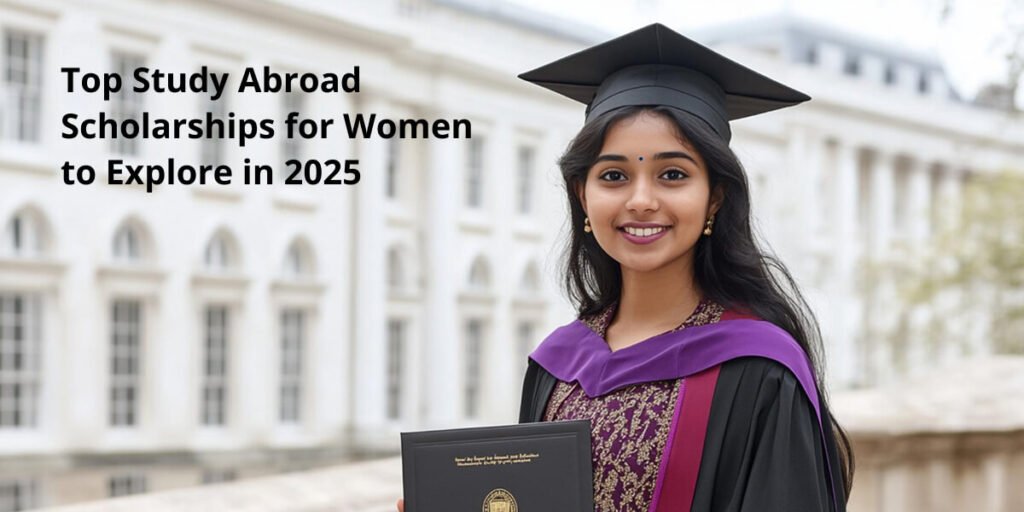

I remember standing at the crossroads, a fresh high school diploma clutched tight in my hand, feeling a mix of exhilaration and dread. The world of higher education beckoned, promising new horizons, deeper knowledge, and a path to a future I could only vaguely imagine. But then reality, as it often does, whispered its cold, hard truth: tuition fees, living expenses, books – a mountain of costs that seemed insurmountable for someone like me. My family, though supportive in spirit, simply didn’t have the means to send me off to university without a hefty financial plan. For a long while, the dream felt like a distant star, beautiful but utterly out of reach.
I wasn’t alone in this feeling, I knew. So many bright, capable young women I knew faced the same wall of financial constraint. We’d talk about it in hushed tones, wondering if our intelligence and ambition would ultimately be stifled by a bank account balance. It was during one of these heart-to-heart sessions with my best friend, Maria, that a spark ignited. She had stumbled upon a brochure – an old, crumpled thing from a university fair – that mentioned something about "women’s scholarships." I’d heard of scholarships, of course, but the idea of ones specifically for women? That was a revelation. It felt like someone, somewhere, understood the particular hurdles we sometimes faced.
That day marked the beginning of my deep dive into a world I hadn’t known existed. It was like finding a secret garden, filled with opportunities specifically designed to help women like us blossom. What I learned, through countless hours of research and more than a few frustrated tears, changed everything.
You see, these scholarships aren’t just a random act of kindness. They exist for powerful, historical reasons. For centuries, women were often denied access to education, or steered towards specific, limited roles. Even today, despite significant progress, disparities persist in certain fields, like STEM (Science, Technology, Engineering, and Mathematics), or in leadership positions across various industries. Women’s scholarships aim to level that playing field, to encourage and empower women to pursue any field they choose, to break barriers, and to contribute their unique perspectives and talents to the world. They recognize that investing in a woman’s education often has a ripple effect, uplifting families, communities, and even nations. For me, understanding this gave the whole endeavor a deeper meaning; it wasn’t just about me getting an education, but about being part of a larger movement.
My search began simply: typing "scholarships for women" into every search engine I could find. It felt like opening a floodgate. Suddenly, I wasn’t just seeing generic financial aid pages, but specific funds from foundations, corporations, professional organizations, and even individual philanthropists, all dedicated to supporting women in their academic pursuits.
The first step, I quickly learned, was organization. This wasn’t a one-and-done application process; it was a marathon. I created a spreadsheet, a lifeline in those early days. Each row was a potential scholarship, and columns held crucial details: the name of the scholarship, the awarding body, the amount, the deadline, eligibility criteria, and a link to the application. This simple tool prevented me from feeling overwhelmed and helped me keep track of dozens of opportunities.
I discovered that scholarships come in all shapes and sizes. Some were merit-based, meaning they looked at my academic achievements, my GPA, and my extracurricular involvement. Others were need-based, focusing on my family’s financial situation. Then there were scholarships for specific fields of study – a huge relief, as I was set on pursuing a career in environmental science, a field where women were historically underrepresented. There were scholarships for women from specific geographic regions, for those with particular ethnic backgrounds, for first-generation college students, for single mothers returning to school, and even for women pursuing non-traditional careers. It was astounding how many niche opportunities existed once I knew where to look.
University websites were a goldmine. Most institutions have dedicated pages listing scholarships they offer directly, many of which are specifically for women. Beyond that, I delved into independent scholarship databases. Websites like Fastweb, Scholarships.com, and the College Board’s scholarship search tool became my daily companions. I also learned to look at professional organizations related to my desired field – for instance, associations for women in science or environmental studies often had their own funding programs. Don’t forget local community foundations, either; sometimes the smaller, local scholarships have less competition and a higher chance of success.
Once I identified a handful of promising scholarships, the real work began: crafting the application. This, I quickly realized, was where I could truly shine, where I could tell my story in a way that resonated.
The essay, or personal statement, was often the heart of the application. This wasn’t just about listing achievements; it was about painting a picture of who I was, what drove me, and how this scholarship would help me achieve my goals. I learned to be authentic, to share my struggles and triumphs, and to connect my experiences to the mission of the scholarship. For instance, when applying for an environmental science scholarship, I didn’t just say "I like science." I told the story of how my grandmother’s garden, and later a local river cleanup project, ignited my passion for protecting nature. I explained why I believed women’s voices were crucial in addressing environmental challenges. I wrote about my aspirations to contribute meaningful solutions, showing them I wasn’t just asking for money, but asking for an investment in a future leader.
I asked for feedback on my essays from trusted teachers and mentors. Their perspectives helped me refine my voice, clarify my message, and catch any grammatical errors I might have overlooked. It was humbling to realize that even after pouring my heart onto the page, an outside eye could always make it stronger.
Letters of recommendation were another critical component. I chose teachers and mentors who knew me well, who could speak genuinely about my character, work ethic, and potential. I made sure to ask them well in advance, giving them plenty of time to write a thoughtful letter. I also provided them with my resume, a list of my accomplishments, and a brief summary of the scholarships I was applying for, along with the specific qualities each scholarship sought. This made their job easier and ensured their letters highlighted the most relevant aspects of my profile.
Transcripts and a strong GPA were important, of course, but I learned they weren’t the only thing. Many scholarships looked for well-rounded individuals, those who demonstrated leadership, community involvement, and a genuine passion for their chosen field. My volunteer work at the local animal shelter and my involvement in the school’s debate club, though not directly academic, showed my commitment and ability to contribute beyond the classroom. Don’t underestimate the power of these "soft skills" and experiences. They tell a story about who you are as a person, not just a student.
The resume or CV needed to be polished and concise, highlighting my achievements, skills, and experiences in a professional manner. I tailored it slightly for each scholarship, emphasizing aspects that aligned with their specific criteria.
Some scholarships required an interview. This was nerve-wracking at first, but I treated it like an opportunity to further express my passion and personality. I researched the organization, anticipated potential questions, and practiced my answers. More importantly, I prepared questions to ask them. This showed my genuine interest and engagement. I remember one interview where I asked about the scholarship’s alumni network; the interviewer’s face lit up, and we had a wonderful conversation about the long-term impact of their program.
The process wasn’t always smooth sailing. There were days filled with rejections, days where I felt utterly discouraged. I’d read the email, "We regret to inform you…" and a wave of doubt would wash over me. Was I not good enough? Was my story not compelling enough? Maria, bless her heart, was my rock during these times. She reminded me that every "no" brought me closer to a "yes," that it was a numbers game, and that my worth wasn’t defined by a scholarship committee’s decision. Persistence, she emphasized, was key. I learned to pick myself up, dust myself off, and apply for the next opportunity on my spreadsheet.
And then, one crisp autumn morning, it happened. An email popped into my inbox with a subject line that made my heart leap: "Scholarship Award Notification." It was from a foundation dedicated to supporting women in environmental studies. I reread the email three times, convinced I was misinterpreting it. But no, it was real. I had been awarded a significant scholarship that would cover a substantial portion of my tuition. The relief, the joy, the sheer validation, was overwhelming. I remember calling Maria, tears streaming down my face, barely able to articulate the good news.
That first scholarship wasn’t the only one I received. Emboldened by my success, and with a clearer understanding of the process, I continued applying. Over the next few months, a few more smaller awards trickled in, covering my books and some living expenses. Piece by piece, the financial puzzle came together.
My journey taught me invaluable lessons, lessons I now eagerly share with any young woman standing at that same crossroads:
- Start Early, Seriously Early: Don’t wait until the last minute. Scholarship deadlines often fall months before university application deadlines. Give yourself ample time to research, write, and gather recommendations.
- Don’t Self-Reject: Many women hesitate, thinking they’re not "smart enough" or "accomplished enough." Apply anyway! You never know what a scholarship committee is truly looking for. Your unique story might be exactly what they need to hear.
- Be Organized: That spreadsheet I mentioned? It’s a game-changer. Keep track of everything, from deadlines to essay prompts to contact information.
- Tailor Your Applications: Avoid the "one-size-fits-all" approach. Customize your essays and even your resume slightly for each scholarship to show how you align with their specific mission and criteria.
- Tell Your Story Authentically: Don’t just list your achievements. Weave them into a narrative that reveals your passion, your challenges, your growth, and your aspirations. Let your personality shine through.
- Seek Help and Feedback: Ask teachers, counselors, mentors, or even trusted friends to review your essays. A fresh pair of eyes can spot errors and offer valuable suggestions. Don’t be afraid to ask for letters of recommendation.
- Don’t Give Up: Rejection is part of the process. It doesn’t mean you’re not worthy; it just means that particular scholarship wasn’t the right fit. Learn from it, adjust, and keep applying.
Receiving those scholarships wasn’t just about financial aid; it was about gaining confidence. It was about knowing that someone believed in my potential enough to invest in my future. It opened doors beyond the classroom too. Many of the foundations and organizations that awarded me scholarships had networking events, mentorship programs, and opportunities to connect with other incredible women who were pursuing their dreams. These connections became just as valuable as the money itself, providing a support system and a community that understood the unique journey of women in higher education.
Today, as I reflect on my path, I see clearly how those women’s scholarships were not just funds, but catalysts. They didn’t just pay for my education; they empowered me to pursue it without the crushing burden of debt, allowing me to focus on my studies, engage in research, and truly immerse myself in my university experience. They allowed me to dream bigger, knowing that financial limitations didn’t have to be the end of my story.
To any young woman out there, standing at that same crossroads, feeling the weight of financial concerns, please know this: there is help available. There are countless individuals and organizations who believe in the power of women’s education and are actively working to support it. Your dreams are valid, your intelligence is valuable, and your potential is limitless. Take that first step, start your search, tell your story, and don’t ever let doubt dim your light. The world is waiting for your contributions, and there are resources out there ready to help you make them. Your journey, like mine, could be just a scholarship application away from transforming from a dream into a vibrant reality.